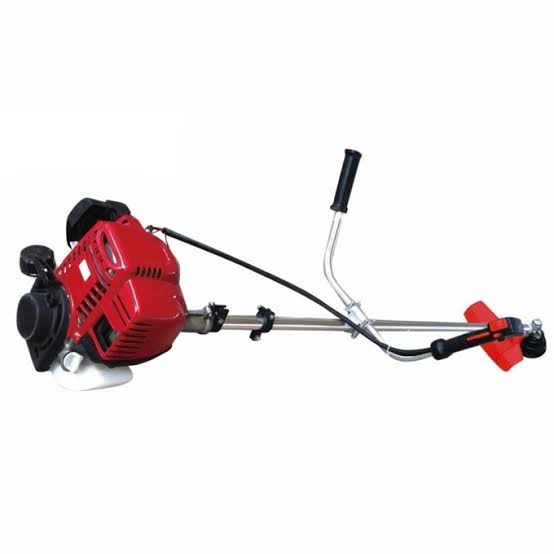
Land clearing and vegetation management are essential tasks for property owners, farmers, and contractors across Kenya. With our diverse terrain and vegetation types, choosing the right brush cutter can make the difference between a quick job and a back-breaking struggle. This comprehensive guide will help you understand the different types of brush cutters available and how to select the right one for your needs.
Understanding Brush Cutter Types
Brush cutters come in various configurations, each designed for specific tasks:
1. Petrol-Powered Brush Cutters
These are the most common and powerful options for heavy-duty work:
- Higher power output for dense vegetation
- Greater mobility without power cord constraints
- Require fuel and more maintenance
- Best for large areas and thick growth
2. Electric Brush Cutters
Quieter and more environmentally friendly options:
- Lower noise levels
- Zero emissions during operation
- Require access to power source
- Best for smaller areas and light maintenance
3. Battery-Powered Brush Cutters
Combining the benefits of both petrol and electric:
- Portable without fuel requirements
- Quiet operation
- Limited runtime per charge
- Best for medium-sized areas

Rhino 8-in-1 Brush Cutter
Brush Cutters & Engines
Powerful 8-in-1 brush cutter with multiple attachments for various clearing tasks. Ideal for land preparation and maintenance. Efficient and reliable for Kenyan conditions.
View ProductKey Features to Consider
When selecting a brush cutter, consider these important features:
1. Engine Power
Measured in cubic centimeters (cc) for petrol models or watts for electric. Higher power means:
- Ability to cut through thicker vegetation
- Faster completion of heavy-duty tasks
- Higher fuel consumption (for petrol models)
- Increased weight and vibration
2. Cutting Width
The width of the cutting swath affects efficiency:
- Narrow width (20-30cm): Better for precision work
- Medium width (30-40cm): Good balance of power and control
- Wide width (40cm+): Faster for large areas but harder to control
3. Shaft Type
Two main configurations:
- Curved shaft: Better for trimming and edging, lighter weight
- Straight shaft: Better for clearing, more efficient power transfer
Brush Cutter Attachments and Accessories
Modern brush cutters often come with or support multiple attachments:
1. Cutting Lines
Flexible monofilament lines for:
- Grass and light weeds
- Edging work
- Less risk of damage if hitting hard objects
2. Cutting Blades
Metal blades for:
- Dense vegetation and small branches
- More aggressive cutting
- Higher efficiency on thick growth
3. Additional Attachments
Some models support:
- Hedge trimmers
- Cultivators
- Edgers
- Mini tillers

Surtec 2-in-1 Brush Cutter
Brush Cutters & Engines
Versatile 2-in-1 brush cutter with multiple attachments for various clearing tasks. Perfect for property maintenance and land clearing. Reliable performance for Kenyan conditions.
View ProductApplications in Kenyan Conditions
Brush cutters are essential for various tasks in Kenya:
1. Property Maintenance
Keeping residential and commercial properties neat and tidy:
- Clearing grass in hard-to-reach areas
- Maintaining fence lines
- Preparing areas for landscaping
2. Agricultural Land Preparation
Essential for farming operations:
- Clearing land before planting
- Maintaining farm boundaries
- Managing weeds between crop rows
3. Infrastructure Maintenance
Keeping roadsides and utility corridors clear:
- Right-of-way maintenance
- Utility line access
- Preventing vegetation from interfering with infrastructure
Safety Considerations
Brush cutter operation requires proper safety measures:
Personal Protective Equipment (PPE)
Always wear:
- Safety glasses or face shield
- Hearing protection
- Sturdy boots
- Long pants
- Gloves
Operational Safety
Follow these guidelines:
- Never operate without proper PPE
- Keep others at a safe distance
- Be aware of your surroundings
- Never point the machine toward people or property
- Turn off before refueling or maintenance
Maintenance and Care
Proper maintenance extends equipment life:
After Each Use
- Clean the cutting head and shaft
- Check for damage or wear
- Empty fuel tank if storing for more than 30 days
Regular Maintenance
- Change oil as per manufacturer's schedule
- Clean or replace air filter regularly
- Inspect and replace worn parts
- Sharpen or replace cutting blades as needed
Cost Considerations
Brush cutters range from budget to professional grade:
Budget Models (Ksh 8,000 - Ksh 15,000)
Suitable for:
- Small residential properties
- Light maintenance tasks
- Infrequent use
Mid-Range Models (Ksh 15,000 - Ksh 25,000)
Ideal for:
- Regular use on medium-sized properties
- Contractors with moderate workload
- Better build quality and durability
Professional Models (Ksh 25,000+)
Best for:
- Heavy commercial use
- Contractors with high-volume work
- Professional-grade durability and performance
Conclusion
Choosing the right brush cutter depends on your specific needs, property size, and usage frequency. Consider the type of vegetation you'll be clearing, the size of the area, and your budget. Remember that a quality brush cutter is an investment that will pay dividends in time saved and efficiency gained.
At BuildMate, we offer a range of brush cutters suitable for Kenyan conditions. Our selection includes models from trusted brands that have proven their reliability in our local environment. Contact us for personalized recommendations based on your specific land clearing needs.